Machine vision stories
Private 5G aims to help manufacturers connect factory systems, automate operations and use real-time data more easily across production sites.
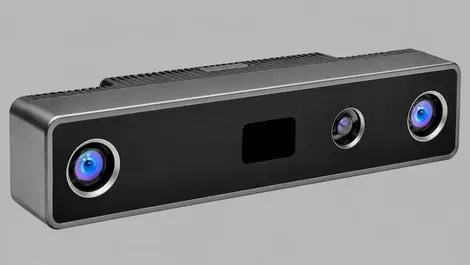
Warehouse and factory robots may gain better obstacle detection as e-con Systems' NetraVis promises 1% depth precision in changing light.
Most operators expect AI services to drive new revenue, but nearly half say optical network upgrades are critical to meet demand.
The integration could improve defect detection and traceability by feeding camera-based inspection results directly into quality records.
Cities need more accurate curb data after researchers found parking rates often rose without denting vehicle volumes in 60 US cities.
Real-time force sensing is cutting scrap and tray deformation on high-speed cosmetics lines, reducing waste and rework for manufacturers.
Recognition in the Propel-AIR 2026 final seven gives the Sydney robotics firm a platform as demand grows for robots that can handle fragile items.
Shortages of training data and engineering effort are slowing industrial vision AI projects, prompting Nvidia to package reusable blueprints for developers.
More than half of logistics leaders say delivery operations still need major improvement, underscoring a gulf between AI plans and frontline reality.
Timing in AI and networking boards is getting simpler, as the new devices can replace up to 12 oscillators and cut power use.
Businesses wanting to keep AI data on site are being targeted with tools for local model training, edge inference and remote updates.
Chipmakers face higher costs and slower production as TSMC deploys Nvidia AI across lithography, inspection and fab scheduling.
Industrial sites with tight spaces could gain local vision AI processing, as Aetina's four compact systems go into mass production.
Britain's defence AI sector is drawing fresh capital as Applied AGI plans to hire engineers and expand computing capacity after a £3 million round.
Fresh funding will help Applied AGI expand its engineering team and commercial reach as demand rises for secure defence AI tools.
The move puts the Australian company's human-sensing expertise into factories and hospitals, where robots must work safely beside people.
Robotic mower makers could cut installation complexity as the new range targets gardens from simple plots to estate-scale lawns.
Data shortages and tighter privacy rules are pushing Australian organisations to train video AI with synthetic footage instead of real-world recordings.
The new site will help Orbbec shorten delivery times and bolster supply resilience for overseas customers as demand for robotics hardware grows.
Industrial operators face pressure to run AI locally as IEI targets faster automation, tighter security and fewer production interruptions.