National Security stories
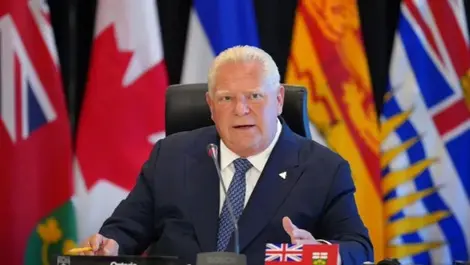
Households should avoid higher power bills as Ontario proposes a playbook, including new data centres, to cover the full cost of electricity.
Backed by CAD $20.3 million, the hub aims to turn Canadian quantum research into secure defence tools and cut GPS-spoofing risks.
The deal will give Canadian Armed Forces secure Arctic satellite links years earlier than planned, while expanding Telesat Lightspeed to 225 spacecraft.
The appointments strengthen Siren's links to law enforcement and intelligence customers as demand grows for faster cybercrime investigations.
Acronis says the campaign could expose communications and defence networks across Afghanistan and India by abusing cloud services and fake government lures.
Enterprise users could gain a clearer path to quantum applications as Zapata and QuEra work to bridge today's hardware gap before fault-tolerant systems arrive.
A US court has frozen alleged proceeds from the hack as the exchange seeks to recover only a fraction of the missing crypto.
Regional mobile services generated USD $1 trillion in economic value in 2025, but growth now hinges on AI, trust, resilience and sovereignty.
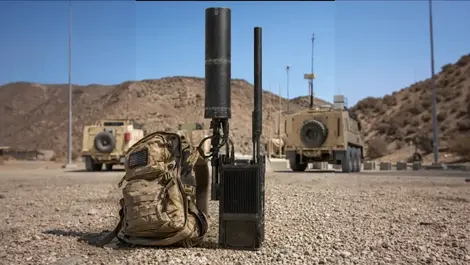
Demand for counter-drone tools is rising as armed forces seek portable kit that can interpret radio signals in the field, not just collect them.
Defence contractors could cut compliance overhead as Secureframe's new tools flag federal obligations, gaps and costs for CMMC and FedRAMP.
The combined group will serve more than 70,000 UK organisations, but the deal still needs clearance under the National Security Investment Act.
A quantum clock trial could help keep military radar working in jamming or spoofing attacks, protecting a £1.42 billion-a-day UK risk.
Federal buyers could gain faster access to drones and telehealth tools as the firms combine surveillance, location and care systems.
Up to 85 government accounts were compromised in a four-day campaign that also reached nuclear and energy organisations, researchers said.
New Zealand's national security threats have intensified amid geopolitical upheaval, foreign espionage and online violent extremism, NZSIS says.
Extreme heat, flooding and grid strain could knock critical UK hosting services offline, Krystal warns, as older sites face rising climate pressure.
Indonesia's digital skills gap is fuelling demand for practical cyber and AI training, as firms struggle to hire workers.
Retail investors gain access to private equity, venture capital and credit as minimums start at just USD $500 on SoFi's app.
This could speed UK adoption of controlled AI in hospitals, councils and other regulated sectors by shaping a sovereign frontier model.
A £9 billion exposure to major space weather events is prompting earlier warnings for flights, GPS users and the electricity grid.